


Does your skincare routine sometimes feel like a constant trial and error process without lasting results? 2026 brings true innovation to skincare, as technological breakthroughs like AI-powered skin analysis and biomarker-based diagnostics transform beauty products into scientifically sound preventative healthcare. These new trends combine effective anti-aging ingredients with sustainable K-beauty formulations, providing targeted support tailored to your individual needs. Discover how these approaches will revolutionize your skincare.
Table of contents
- What will revolutionize skincare in 2026: New approaches
- Key active ingredient trends for healthy, radiant skin
- Focus on technological innovations and smart products
- Anti-aging strategies: From pro-aging to skin regeneration
- Sustainable K-Beauty trends and responsible selection
- Risks, common mistakes and safe product selection
Key findings
| Point | Details |
|---|---|
| personalization | Skincare in 2026 will be highly individualized; AI-based analyses will precisely adapt products to the needs of the skin. |
| Holistic approaches | Beauty is linked to health; customers expect diagnoses of inner health through skincare products. |
| Regenerative active ingredients | Focus on natural and regenerative ingredients that heal skin damage and strengthen skin health. |
| sustainability | Biotechnologically produced and waterless formulas are becoming the norm, thereby reducing environmental impact. |
What will revolutionize skincare in 2026: New approaches
Skincare will evolve in a completely new direction in 2026. It's no longer just about smoothing wrinkles or mattifying the skin. Instead, beauty will merge with true health – based on a scientific foundation that transforms your skin from within. Technological innovations and scientific breakthroughs will enable solutions that were previously impossible.
What exactly has changed? The answer lies in three fundamental innovations:
- AI-powered skin analysis learns about your skin better than you could yourself. Sensors capture thousands of data points and create a digital profile of your skin.
- Tailor-made active ingredient combinations adapt to your individual needs and change their composition as your skin changes.
- Holistic approaches consider not only your skin surface, but also gut health, stress levels and environmental factors.
Personalization is now going really deep.
Personalization used to mean: “Combine these products if you have oily skin.” By 2026, the level is completely different.Advances in biomarker diagnostics and metabolic monitoring will allow your skincare products to deliver exactly what your cells need right now—not sometime in the future, but today.
Imagine: A product automatically adjusts its ingredients based on how your body is functioning. If your cortisol levels are high and your skin is stressed, the product delivers soothing ingredients. If your skin is dehydrated, the hyaluronic acid content increases. This isn't science fiction—it's 2026.
Pro tip: Start by documenting your current skincare routine and observe how your skin reacts to different seasons, stress, and diet – this way you'll already understand which personalized solutions would be most valuable for you.
Beauty becomes preventative healthcare.
The biggest paradigm shift: beauty is no longer purely aesthetic. Consumers now expect skincare products to also provide information about their inner health. Your skincare is becoming a diagnostic tool – it not only shows you that you look better, but also that you truly feel better.
That changes everything. If you notice your skin getting worse despite a good routine, it could be a sign: your gut needs attention. Your sleep is poor. Your stress level is too high. Your skin is becoming a reflection of your inner state.
Skincare in 2026 is no longer about beauty cosmetics, but about preventive healthcare that provides data about your well-being.
Microbiome-sensitive products are the focus. By 2026, your skin microbiome—the trillions of microorganisms on your skin—will be recognized for what it is: one of the most important factors for true skin health. Products that protect and strengthen this ecosystem are now replacing harsh anti-acne formulas that kill everything. That's smarter. That really works.
Furthermore, sustainable, biotechnologically produced active ingredients are becoming the standard. Instead of using synthetic substances or questionable raw materials, companies are now cultivating active ingredients using biotechnology. They are purer, more effective, and more ethical.
Pro tip: When buying new products in 2026, pay attention not only to results, but also to the origin of the active ingredients – biotechnologically derived ingredients are a sign of products that are truly innovative.
For a better overview, here is a comparison of classic and innovative skincare approaches for 2026:
| criterion | Classic Skincare 2020 | Innovative skincare 2026 |
|---|---|---|
| personalization | Standardized, few skin types | Highly individualized, AI-based |
| focus | Visible skin improvement | Holistic skin health |
| Active ingredients | Synthetic, aggressive ingredients | Natural, regenerative ingredients |
| Technology deployment | Hardly digital | Smart products, real-time data |
| sustainability | Rare, hardly focused | At the heart of product development |
Key active ingredient trends for healthy, radiant skin
The active ingredients that will transform your skincare in 2026 are not the same as they were five years ago. The era of harsh chemicals is over. Instead, we now rely on smart, natural ingredients that work deeper and protect your skin barrier, rather than attacking it. The best active ingredients in 2026 are those that heal your skin while also working preventively.
What does that look like in practice? Here are the active ingredients that now make the difference:
- Bio-retinol as a gentler alternative to classic retinol – works against wrinkles without causing irritation.
- Niacinamide for skin soothing and pore refinement – is now scientifically unassailable.
- Fermented plant extracts with increased bioavailability – your skin really absorbs the nutrients.
- Natural peptides and regenerative ingredients that repair DNA damage and build collagen.
- Adaptogens such as ashwagandha and ginseng , which reduce stress and inhibit inflammation.
Regenerative active ingredients are the focus
Regenerative ingredients like growth factors and peptides are gaining importance because they don't just work superficially. They signal to your skin: "Now it's time to heal." This is revolutionary. Instead of simply tightening or smoothing, these active ingredients activate your skin's natural repair mechanisms.
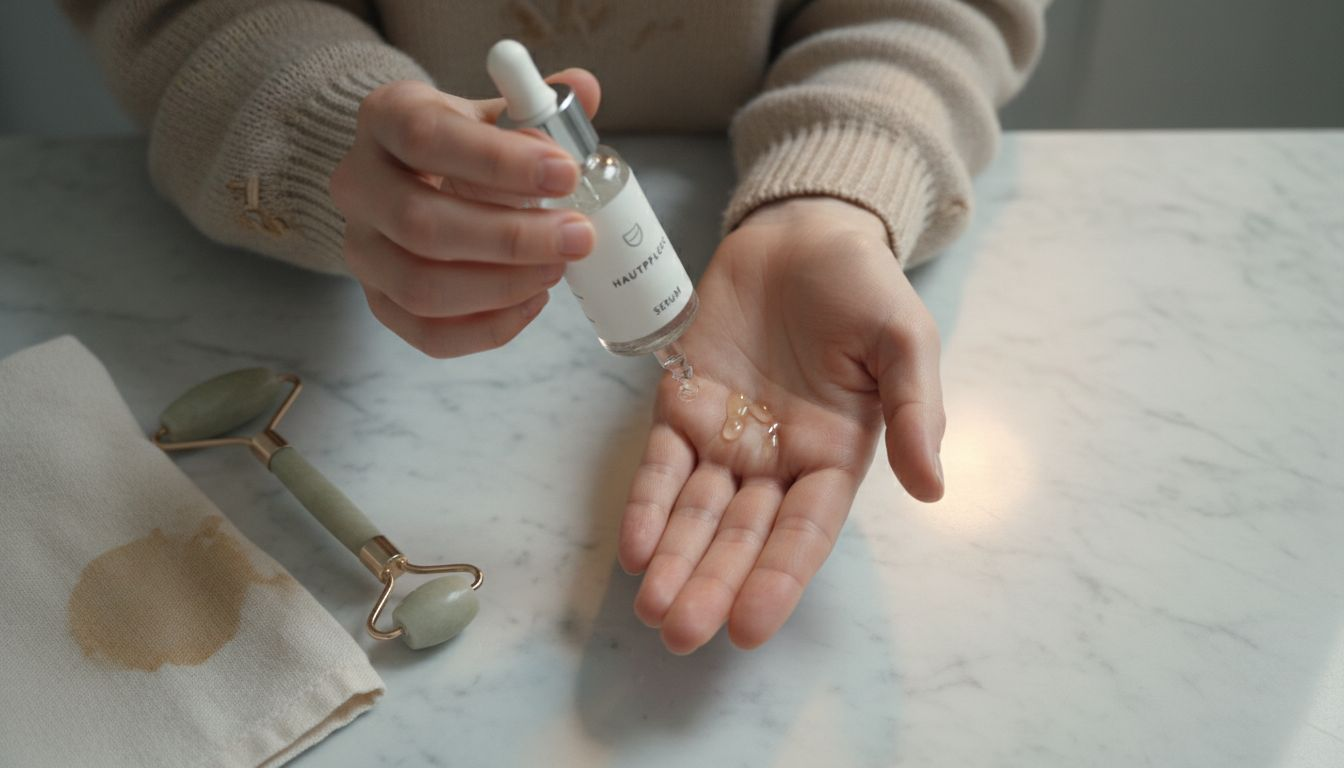
Growth factors act like commands for your skin cells. They tell your cells to produce more collagen and to regenerate faster. The result: your skin becomes more elastic, firmer, and brighter – not through superficial tricks, but because it truly heals.
Peptides are small chains of amino acids that your skin recognizes as building blocks. They act as a scaffold for collagen and elastin. As we age, your skin produces less of these structural proteins – natural peptides replace what is lost.
The best skincare of 2026 not only repairs damage cosmetically, but also gives your skin the biochemical signals to heal itself.
Fermented extracts and adaptogens are changing the game.
You know how it is: some ingredients are so large or complex that your skin simply can't absorb them. This has been a problem for a long time. In 2026, we'll solve this with fermentation . When plant extracts are fermented, microorganisms break down complex molecules into smaller, bioavailable components. This means your skin can actually utilize the active ingredients.
Adaptogens are plants that support your body in stressful situations. Ashwagandha reduces cortisol levels. Ginseng revitalizes tired skin. These active ingredients work on a different level than classic anti-aging ingredients – they reduce the stress that causes skin aging.
Furthermore , sustainable, plant-based, and organic ingredients are now standard. In 2026, you won't buy a product and hope it works. You'll know exactly where each active ingredient comes from and how it was extracted. Clean beauty is no longer optional—it's the foundation.
Pro tip: When buying, pay attention to whether the active ingredients are fermented or in bioactive form – this is the difference between a product that works superficially and one that really penetrates your skin.
The following table summarizes key benefits of fermented and adaptogenic active ingredients for the skin:
| Active ingredient type | Main benefits for the skin | Special feature 2026 |
|---|---|---|
| Fermented extracts | Increased absorption capacity | Bioavailability maximized through fermentation |
| Adaptogenic plant substances | Stress reduction, protective function | Natural balance and anti-aging effect |
| Natural peptides | Cell regeneration, firming | Promote collagen production and healing |
Focus on technological innovations and smart products
Skincare in 2026 is no longer analog. Your products are now technology. Sounds futuristic? It's reality. AI-based personalized analyses and smart mirrors allow your skincare to adapt to your current skin condition every day. You no longer follow the same routine because it's always worked the same way. You follow the routine your skin needs right now.
What exactly has changed? The market has completely shifted:
- AI skin diagnostics scan your face, analyzing pores, wrinkles, moisture levels and irritations in real time.
- Smart mirrors store your skin history and show you improvements in detail over weeks and months.
- Digital data integration connects dermatological research with your personal skin cues.
- Personalized product mixing is based on AI analysis, not guesswork.
- Real-time feedback tells you how your routine is working and where adjustments are needed.
The difference between smart and classic products
A typical skincare product in 2024 was a one-size-fits-all solution for your skin type. A smart product in 2026 is a customized formula specifically designed for your genetic predisposition, age, sleep status, and even your current stress level.
Digital skin analysis and real-time processing of dermatological data enable personalized product development on a level previously impossible. You provide the app with a photo of your face. The AI not only recognizes superficial features but also interprets what's happening beneath the surface: inflammation you can't even see, dehydration in specific areas, and the first signs of keratinization.
Based on this data, your product isn't simply chosen – it's custom-made. The concentration of hyaluronic acid adjusts accordingly. The percentage of peptides increases if you need anti-aging benefits. Soothing ingredients are added if your skin is irritated.
Smart skincare in 2026 is not a bottle of universal active ingredients – it is a digital ecosystem that learns to understand your skin.
Technology meets sustainability
Here's the smart part: The same technology that enables personalized formulas also enables sustainability. The market is moving away from mass-produced products with high chemical content toward efficient niche solutions that contain exactly what you need. Nothing more. Nothing less.
Biotechnologically fermented active ingredients are part of this transformation. Fermentation produces highly purified, highly effective ingredients without chemical synthesis. This is not only better for your skin – it's also better for the environment. Less packaging because products are more concentrated. Less waste because each ingredient is used precisely.
Integrating dermatological research with formulation development also means: there are no more secret ingredients. Everything is transparent, evidence-based, and verifiable. You not only know what's in your product – you also understand why it's there in precisely that concentration.
Pro tip: When buying a new product in 2026, pay attention to whether it has a digital component – an app, a scanning service, or an analytics tool. This is a sign of a truly innovative product, not just another marketing promise.
Anti-aging strategies: From pro-aging to skin regeneration
Anti-aging in 2026 works completely differently than it did ten years ago. Back then, the goal was clear: wrinkles gone, skin smooth, at any cost. By 2026, we've learned that this approach is wrong. The best anti-aging strategy isn't to fight your skin, but to regenerate it. This is called pro-aging – and it works significantly better.
Pro-aging means: Yes, your skin ages. But it ages healthily, radiantly, and with full vitality. Instead of treating wrinkles as flaws, we treat them for what they are: signs of a life well-lived. The focus is now on genuine skin health, not perfection.
The specific implementation looks like this:
- Focus on skin proteins such as Serpin B, which stimulate cell renewal and strengthen the skin's natural repair capacity.
- Less aggressive methods , but more targeted and individually tailored to your skin condition
- Regenerative treatments, rather than just superficial smoothing treatments , that activate deeper layers of the skin.
- Respect natural signs of aging while maximizing skin quality
- Holistic approaches that also include lifestyle, nutrition and mental health
Regenerative Treatments: The New Standard Anti-Aging
Pro-aging and regeneration are now replacing simple wrinkle correction. Specifically, this means that microneedling combined with radiofrequency or CO2 laser therapies are becoming the standard method. These treatments don't just trigger superficial effects – they activate the deeper layers of the skin to produce new collagen fibers.
Microneedling with radiofrequency works like this: Fine needles precisely pierce the skin's surface, while simultaneously radiofrequency energy penetrates deeper layers. This creates a controlled "healing process" within your skin. Your skin responds by massively producing collagen and elastin. The result: Real skin improvement from within, not just superficial smoothing.
CO2 lasers are even more focused. They selectively remove damaged skin layers and simultaneously stimulate collagen production. The skin is completely renewed. Wrinkles are not simply covered up – they are replaced by new, healthy skin.
Anti-aging in 2026 no longer means: “How do I hide my age?” but rather “How do I age my skin optimally?”
Fewer products, more efficiency
The big change in your daily routine? Less is more. While a 10-step routine used to be the norm, in 2026 the focus will be on individually tailored skincare routines with fewer, but more effective products .

This works because we now understand that your skin doesn't need 20 different active ingredients at once. It needs the right active ingredients in the right concentration at the right time . If your routine consists of four highly effective products specifically tailored to your skin's needs, that works better than ten generic products that no one really needs.
The key active ingredients are clear: protein-boosting ingredients that activate serpin B and other skin-firming proteins; regenerative peptides that signal the skin to heal; and bio-retinol in a concentration tailored to your age and skin tolerance.
This approach not only saves time – it also saves money. You don't buy 20 products. You buy three to five high-quality products that actually work.
Pro tip: Start with a base of retinol, peptides and a hydrating serum – these three categories cover 80 percent of all anti-aging needs and are significantly more effective than an overloaded routine with many different products.
Sustainable K-Beauty trends and responsible selection
Sustainability in 2026 is no longer a marketing buzzword in K-beauty. It's fundamental. If you buy a Korean skincare product today that isn't sustainable, you automatically ask yourself: Why not? The industry has understood that beauty and responsibility must go hand in hand. There's no longer any reason to separate them.
You can see the tangible result of this shift in your products. Waterless formulations and fermented extracts are increasingly replacing conventional water in serums and creams. This may sound like a technical detail, but it's revolutionary. Water isn't just a filler—it's also a preservative that requires chemicals. If you need water, you also need preservatives. If you don't need water, you need fewer chemicals.
Fermented extracts and microbial filtrate are the solution. These active ingredients are produced through the natural fermentation of plants. The result: concentrated active ingredients without water, without harsh chemicals, without waste.
The three pillars of responsible selection
When you buy a K-beauty product in 2026, you'll pay attention to three clear things:
- Zero-waste and sustainable packaging – biodegradable or fully recyclable
- Vegan and cruelty-free formulations – that's standard, not the exception.
- Transparency in manufacturing – you know the source of each active ingredient and the ethical standards of production.
K-Beauty is increasingly integrating these concepts and combining tradition with innovation . That's what's special about Korean brands. They take traditional recipes—fermented rice extracts, ginseng, snail secretions—and modernize them with sustainability in mind. This isn't "old stuff in new bottles." This is genuine innovation.
The best K-beauty brand of 2026 shows you exactly where its raw materials come from. Was the ginseng sustainably grown? Where was the snail farmed? Are the workers paid fairly? These questions aren't paranoid – they're the new normal.
Responsible choice in 2026 means: I only buy products that I can imagine making myself.
Water-saving formulas and real efficiency
Waterless design isn't just a trend. It's practically ingenious. A serum without water is more concentrated. This means you need less product to achieve the same result. A small amount is sufficient because the active ingredients aren't diluted.
This not only saves resources – it also saves plastic. Smaller bottles for more concentrated products mean less packaging per serving of active ingredient. If you do the math, a waterless serum is significantly more environmentally responsible than a water-based serum of the same size.
Furthermore, less water also reduces the need for chemical preservatives. Some of these are safe, some are questionable. With a waterless or very low-hydration product, you often don't need any harsh preservatives at all. That's better for your skin and for the environment.
The combination of efficiency and eco-friendliness isn't new, but in 2026 it's finally gone mainstream. You don't have to choose between an effective product and a sustainable one. The best K-beauty is both.
Pro tip: When buying, check the packaging and the label – a transparent company openly lists the origin of its raw materials and its ethical standards, not hidden behind marketing phrases.
Risks, common mistakes and safe product selection
The best skincare of 2026 is useless if you use it incorrectly. And honestly, most people make at least one major mistake in their routine. That's not your fault—no one teaches you how skincare really works. You buy a product, test it for a week, and give up if it doesn't work immediately. That's a classic mistake. But there are many others.
The first major risk area: acid products . Improper use of acid products such as fruit acids can cause skin sensitivity, redness, and genuine irritation. This isn't just "a little redness." This can be real skin damage that takes weeks to heal. The correct dosage and combination are crucial.
A common mistake: You buy an AHA toner with 10 percent fruit acid and use it morning and evening. That's too harsh. It damages your skin barrier. The correct approach is: one to three times a week, initially only in the evening, gradually increasing the frequency. That's the difference between skin improvement and skin damage.
The biggest mistakes in daily routine
Common mistakes arise from over-care, incorrect product combinations, or rigid routines without individual adjustments . It's important to understand this: your skin isn't static. It's constantly changing. You need different products in winter than in summer. When you're stressed, your skin reacts differently than when you're relaxed.
Here are the most common mistakes:
- Too many products at once – your skin can't adapt to everything and becomes overwhelmed.
- Changing things too quickly – if you switch everything at once, you don't know what works and what harms you.
- Incorrect order – active ingredients only work if applied in the correct order.
- Ignoring your current skin condition – a routine for “normal skin” won't work if your skin is currently dehydrated.
- Expectations are too high too soon – good skin changes take 4 to 12 weeks, not 3 days.
Choosing the right product: What you should really check
When you buy a new product, there are specific things you should check. Not pretty packaging. Not marketing promises. Real, scientific data.
Choosing the right product is based on scientifically sound formulations tailored to your skin type. This means looking for studies on the product itself, not just on the active ingredients. A serum with a good active ingredient composition isn't automatically a good serum – the formulation, concentration, and stability of the active ingredients are just as important.
Two concrete steps:
- Check the active ingredient concentration – a good anti-aging serum has at least 5 percent retinol or a retinol-like substance, not 0.5 percent hidden at the end of the ingredient list.
- Use a slow, deliberate transition – introduce one new product per week, not all at once.
The safest product choice is the one that protects your skin barrier, not destroys it.
Furthermore: Dermatological advice helps you choose the right products. This doesn't necessarily mean you have to see a dermatologist. It means you should do your research – from reliable sources, not from influencers who get sponsored products. Professionals like cosmetic engineers or dermatologists can give you genuine recommendations based on your skin's condition.
One last important point: Stay away from products with unclear ingredients. By 2026, there will be no more secrets in cosmetics. If a company doesn't clearly state what's in its product and why, that's a red flag.
Pro tip: Start your skincare makeover with a maximum of three products: a gentle cleanser, a serum with an active ingredient of your choice, and a moisturizer – test these for four to six weeks before adding more products.
Discover the future of skincare with Cosmadic
Skincare in 2026 demands tailored solutions that not only look amazing but also strengthen your skin from within. If you value biotechnologically derived active ingredients , fermented extracts , and intelligent skincare products , then Cosmadic is the perfect place for you. Our range of high-quality K-beauty products from brands like COSRX and Beauty of Joseon offers you the opportunity to take your skincare to the next level and optimally meet your individual needs.
Don't wait until your skin sends you signals – respond now with innovative products that deliver exactly what your skin truly needs in 2026. Browse Cosmadic and discover effective serums, masks, and creams that regenerate and protect your skin. Harness the power of smart skincare and secure your personal favorites today to achieve visible improvements step by step.
Frequently Asked Questions
What are the latest skincare trends for 2026?
Skincare in 2026 will focus on AI-powered skin analysis, customized active ingredient combinations, and holistic approaches that improve skin health from within.
How do AI-powered skin analyses affect skincare?
AI-powered skin analysis captures thousands of data points from your skin and creates a digital profile that allows for individual customization of skincare products to provide exactly the care your skin needs.
Which ingredients will be particularly important for skin health in 2026?
Key ingredients include bio-retinol, niacinamide, fermented plant extracts and natural peptides, which have regenerative effects and protect the skin barrier.
How do regenerative treatments differ from classic anti-aging strategies?
Regenerative treatments not only aim to visibly reduce wrinkles, but also activate the skin's natural repair mechanisms and promote healthy skin aging through targeted stimulation of collagen and elastin production.
Recommendation
- The best anti-aging products – what you should know from age 25 | cosmadic
- TikTok Trends: Glass Skin, Dewy Skin & Co. Which Look Suits You? | cosmadic
- Avoid skincare fails: The most common mistakes in skincare – and how to do better | cosmadic
- Our most popular products of 2025 – the Cosmadic bestsellers & customer favorites | cosmadic
- Fragrance Trend Inspiration: Discover New Perfume Trends 2026 – Pure Perfume


